
Bill C‑3 / Canadian Citizenship by Descent — FAQ
Bill C‑3 has created new opportunities for people with a Canadian‑born ancestor to apply for Proof of Citizenship by descent, but the process can raise a lot of questions—especially around what documents are needed and how to trace your family line.
This FAQ focuses on the genealogical side of the process: what records help establish your direct line back to a Canadian ancestor and how I can assist in locating and documenting that lineage. I don’t provide legal advice, but I can help you gather the evidence you may need for your IRCC application.
Q: What is Bill C‑3 and how does it affect Canadian citizenship by descent?
A: Bill C‑3 is a change to Canadian citizenship law that allows people with a Canadian‑born ancestor to be recognized as Canadian citizens by descent, even if they are more than one generation removed. Under this law, you may already be considered a Canadian citizen — but you must prove your direct line back to your Canadian‑born ancestor in order to apply for a Proof of Citizenship certificate through Immigration, Refugees and Citizenship Canada (IRCC).
For full details, please refer to the official IRCC website.
Q: Can you tell me if I qualify for Canadian citizenship under Bill C‑3?
A: No. I am not a lawyer and cannot determine eligibility or provide legal advice.
What I can do is help you research and document your family line so you have the genealogical evidence you may need for your application.
Q: What can you help me with in the Bill C‑3 process?
A: I provide genealogical research services, including:
- Identifying your Canadian‑born ancestor
- Tracing the direct line between you and that ancestor
- Locating birth, marriage, death, and baptismal records
- Preparing a clear documentation package of your lineage
I do not complete IRCC forms or advise on legal requirements.
Q: Do you only work with French‑Canadian ancestry?
A: No. While I specialize in French‑Canadian research, I also work with families whose roots are in English‑speaking regions of Canada, including Ontario, the Maritimes, and Western Canada.
If your Canadian ancestor came from anywhere in Canada, I can help you research and document that line.
Q: What information do you need from me to get started?
A: I offer a short Bill C‑3 intake form where you can share what you already know about your Canadian ancestry, any documents you have, and your research goals. This helps me determine the scope of work and how I can best support your genealogical needs.
You can access the intake form on my Hire Me page.
Q: Do I need to have lived in Canada to apply for Proof of Citizenship?
A: No. Many applicants have never lived in Canada. What matters is documenting your direct line back to a Canadian‑born ancestor. I can help you research and assemble the genealogical records needed for your application.
Q: What kinds of records does IRCC usually accept as proof of a Canadian‑born ancestor?
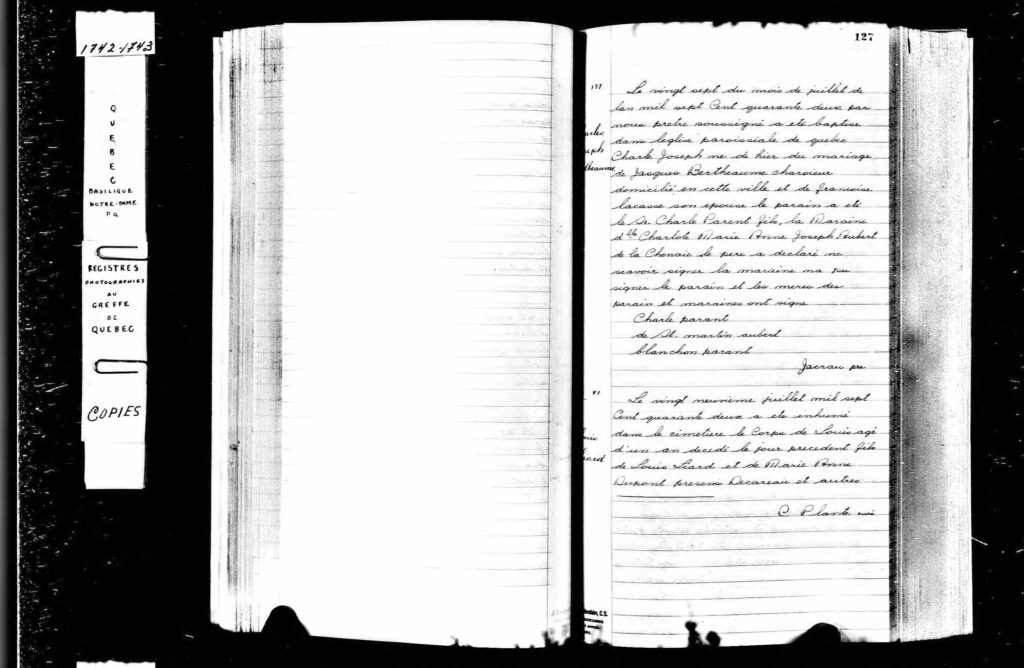
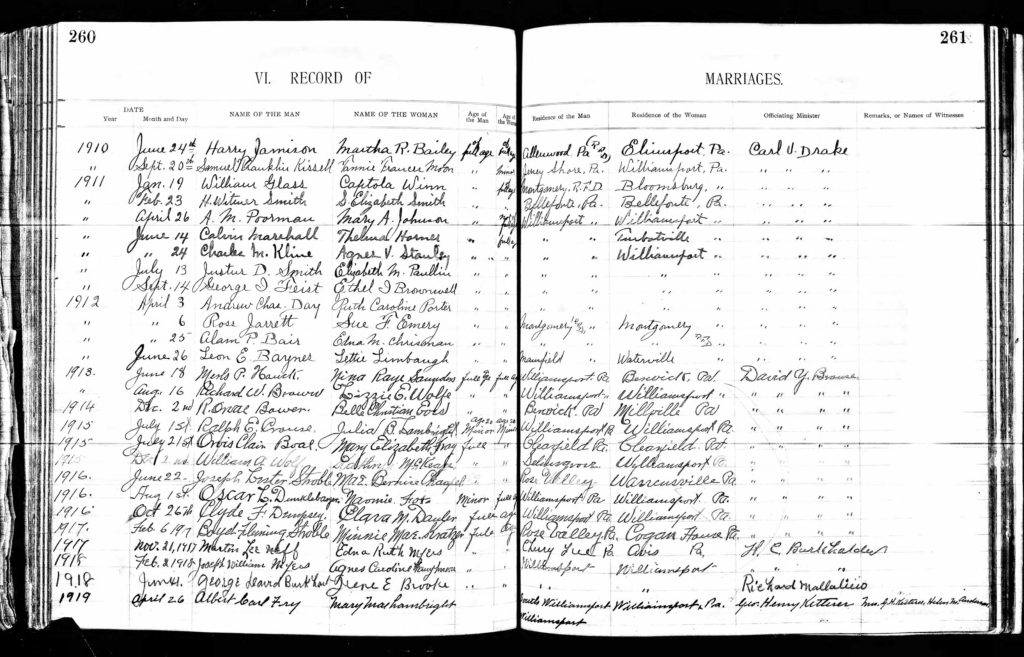
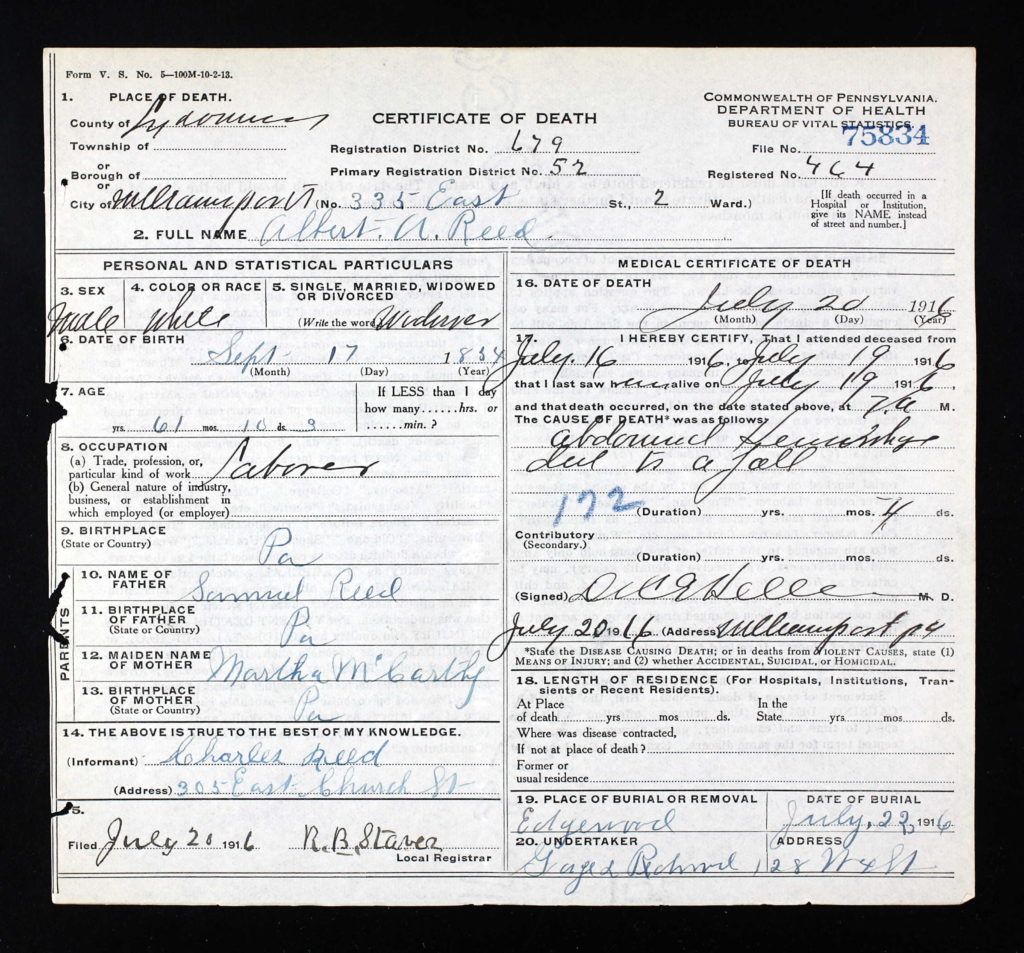
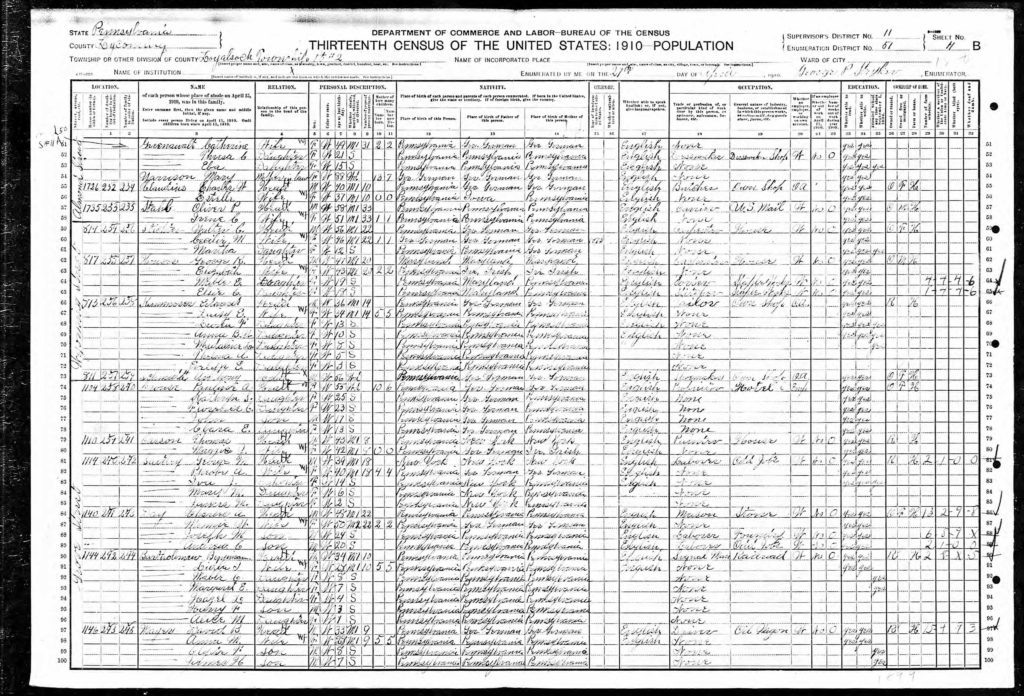
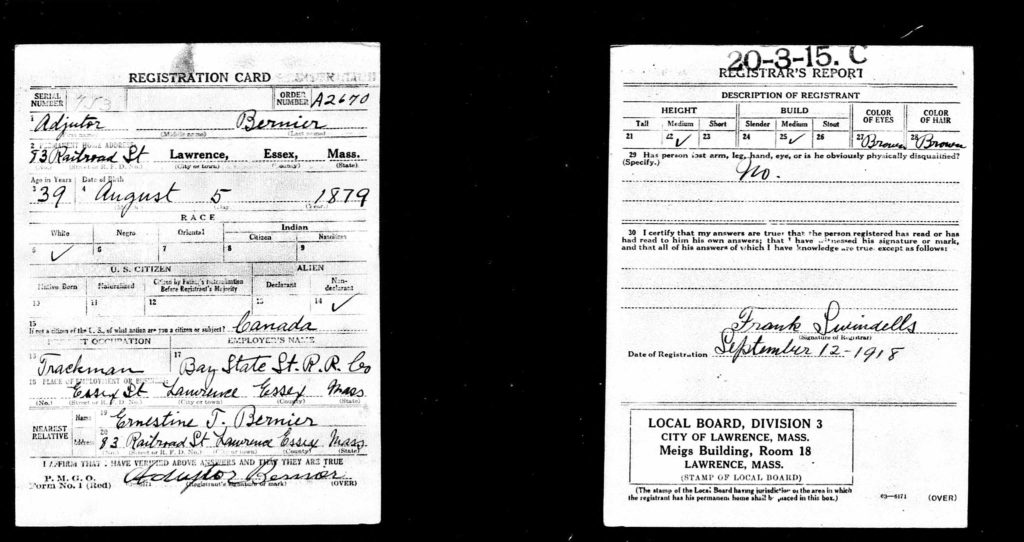
A: IRCC typically accepts civil birth records, parish baptismal records, census entries, and other government‑issued documents that clearly show birthplace for the Canadian‑born ancestor. They also generally require certified copies of key vital records—such as birth or baptismal records, marriage records, and death records—when available.
For older parish registers, especially in French‑Canadian communities, certified copies may not always exist. In those cases, IRCC may accept a clear, high‑resolution copy of the original baptism entry.
When documenting the generations between you and your Canadian ancestor, the most important detail is that each record clearly shows the names of the parents, establishing the direct line of descent. Birthplace is not required for every generation—parentage is.
I can help you locate, verify, and obtain the appropriate records for each generation, including both French‑Canadian and English‑Canadian lines.
Q; What if I’m missing a birth or marriage record in the chain?
A: Missing records are common, especially in older generations. I can help you locate alternative sources such as parish registers, census entries, notarial records, or other documents that may support your lineage. In many cases, gaps can be resolved with substitute evidence.
Q: How long does the Proof of Citizenship process take?
A: Processing times vary and are set by IRCC. You can find the most current estimates on the official IRCC website. My role is to help you gather the genealogical documentation you may need before you submit your application.
Q: Can you help me fill out the IRCC forms?
A: No. I cannot complete or review IRCC forms or provide legal advice. I can, however, help you gather the genealogical records that support your application.
Q: What if I’m not sure which ancestor in my family was Canadian?
A: That’s very common. I can help you identify the correct Canadian‑born ancestor by researching your family tree, reviewing your existing documents, and tracing your lineage through Canadian records.
For your convenience, our most common customer questions are answered right here.
Not finding what you want? Reach out directly through our Contact page.
Q: I don’t have a lot of information, can I even do a family tree if I don’t have much information to start with?
A: Absolutely, it is amazing how much can be found with very little information. What you may not think is much information, could represent a ton of avenues of research for us to start a family tree. A good rule of thumb, is to have your parent’s information and your grandparents information to have a good starting base. The more information you have the better of course, but with just a small amount of information a lot could be found.
Q: What information would I need to provide to get started on a family tree?
A: When we say information we are usually referring to full names, with maiden names, date and place of birth, date and place of death, where he/she lived during their lifetime and died. Any additional information would be helpful as well of course, but not essential.
Q: Why is knowing the place of birth or where someone lived important?
A: While it is not essential to have this information, we ask for it because it is a great way to verify that we are looking at the correct person when looking at various documentation. There could be a John Smith in PA and one in CO, but if you know that he was born in PA we would not search birth records in CO, for example.
Q: What other kinds of information are helpful?
A: Military service dates, or a branch of the military served, date or approximate date of immigration to the United States, clubs or organizations belonged to, or any family stories passed down over the years. The most current generations are the most difficult to get data on because a lot of the files are sealed by the government to protect privacy while the person is living. So the more information you have on current generations the better.
Q: If I don’t have some of this basic information where could I get it?
A: The best place to start would be with any living relatives. Go visit and catch up, and ask as many questions as you can about your parents, your grandparents, or even great grandparents if you are lucky enough to have older generations still living that will remember. If you have no living relatives, hope is not lost, give us as much as you do have and we will see what can be found. It will be a lot more challenging but we can work together and see what can be found.
If you have additional questions please feel free to contact us with the button below.